
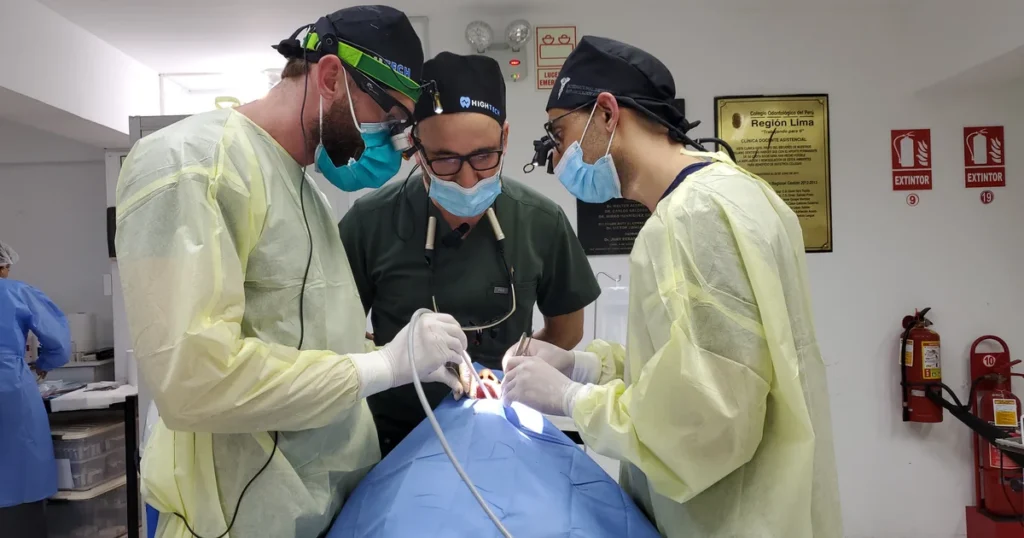
An International Implant Training Guide helps dentists understand how advanced dental implant education can strengthen their surgical knowledge, clinical judgement and practical treatment skills.
Dental implant procedures require more than understanding implant systems. Dentists must evaluate patient suitability, interpret diagnostic imaging, plan restorations and perform surgical procedures while managing potential complications.
International implant training programmes offer opportunities to develop these skills through structured education, practical exercises and supervised clinical experience.
For dentists exploring advanced dental implant training, choosing the right programme depends on their current experience, learning objectives and professional requirements.
This guide explains why international education matters, the skills taught in implant dentistry courses and how to select training that supports your professional development.
Why International Implant Training Matters
International implant training gives dentists opportunities to develop surgical skills, learn different clinical approaches and gain supervised experience in implant dentistry.
Although dental education introduces the principles of implant treatment, dentists may need additional training before undertaking surgical procedures independently.
The Royal College of Dental Surgeons of Ontario’s implant dentistry guidelines outline the knowledge and clinical skills needed for implant treatment, including surgical techniques, prosthetic planning and professional responsibilities.
Building Knowledge Beyond Basic Implant Dentistry
Implant dentistry involves several connected stages, from patient assessment to long-term restoration and maintenance.
Advanced education allows dentists to study procedures that may not be covered extensively during their initial training.
These include:
- Implant treatment planning and case selection
- Bone grafting and ridge augmentation
- Sinus lift procedures
- Immediate implant placement
- Full-arch implant rehabilitation
- Management of surgical complications
Training in these areas can help dentists identify suitable cases, recognise clinical limitations and make better-informed treatment decisions.
Learning Through International Clinical Experience
International programmes may expose participants to different patient cases, surgical techniques and treatment-planning approaches.
Some courses provide direct clinical experience under experienced faculty supervision, allowing dentists to connect theoretical knowledge with surgical practice.
High Tech Dental Seminars offers International Implant Training in Lima, Peru, with foundational, advanced and full-arch implant programmes.
These six-day courses combine classroom instruction with supervised procedures involving live patients.
Supporting Professional Development
Dental implant continuing education helps practising dentists maintain and develop their clinical knowledge.
It can also help clinicians identify areas where additional mentorship or further training would be valuable.
For dentists exploring Continuing Education for Dentists, selecting programmes that combine evidence-based instruction with practical experience can support ongoing professional development.
However, completing an international course does not automatically authorise a dentist to perform new procedures. Clinical responsibilities remain subject to local professional regulations and demonstrated competence.
Key Skills Taught in Implant Training
Implant dentistry courses teach a combination of diagnostic, surgical and restorative skills.
The exact curriculum depends on whether a programme is intended for beginners, experienced implant dentists or clinicians pursuing more advanced surgical procedures.
Patient Assessment and Treatment Planning
Successful implant treatment begins with evaluating the patient’s oral health, medical history and anatomical conditions.
Dentists learn to assess factors such as bone availability, gum health, restorative requirements and conditions that may affect healing.
Training may also include cone beam computed tomography (CBCT), a three-dimensional imaging technique used when clinically indicated to assess implant sites.
The International Team for Implantology’s SAC Classification provides an evidence-based framework for evaluating implant case difficulty and risk.
It categorises treatments as Straightforward, Advanced or Complex, helping clinicians assess whether a case matches their experience.
Surgical Implant Placement
Hands-on dental implant training may cover the surgical steps involved in placing an implant into the jawbone.
Common learning areas include:
- Incision design and flap management
- Preparation of the implant site
- Implant positioning and angulation
- Surgical instrument handling
- Soft tissue management
- Suturing and post-operative care
Practical training allows dentists to become more familiar with surgical workflows while receiving feedback from instructors.
Bone Augmentation and Sinus Lift Procedures
Some patients do not have sufficient bone volume to support implant placement without additional treatment.
Advanced programmes may teach bone augmentation, ridge splitting and sinus floor elevation techniques.
These procedures require detailed anatomical knowledge, careful treatment planning and appropriate surgical experience.
High Tech Dental Seminars provides an Advanced Dental Implant Course covering sinus lifts, ridge expansion, bone augmentation and immediate implant placement under faculty supervision.
Implant Restorative Planning
Implant treatment involves both surgical placement and the restoration that replaces the missing tooth or teeth.
Dentists need to understand how implant positioning influences the final restoration, including its appearance, function and maintainability.
Training may cover digital treatment planning, restorative space, prosthetic design and communication between surgical and restorative clinicians.
Complication Prevention and Management
Implant procedures can involve complications during surgery, healing or long-term maintenance.
Training programmes should address how to recognise potential risks, respond appropriately and identify situations that require specialist referral.
These skills support sound clinical judgement and responsible patient care.
Benefits of Hands-On Implant Education
Hands-on implant education allows dentists to apply theoretical knowledge through practical exercises and supervised procedures.
While lectures explain treatment principles, practical sessions help clinicians understand how those principles apply in clinical settings.
Developing Practical Surgical Skills
Simulation exercises allow dentists to practise instrument handling, implant positioning and surgical techniques in a controlled environment.
Live-patient training adds clinical variables such as differences in anatomy, bone quality, soft tissue conditions and surgical access.
For participants with the appropriate preparation, supervised clinical experience offers opportunities to practise decision-making while receiving direct instructor guidance.
Learning Through Faculty Supervision
Experienced instructors can provide feedback on surgical techniques, case selection and procedural decisions.
This helps participants recognise areas for improvement and understand why certain approaches are appropriate for particular clinical situations.
Small-group learning may also provide more opportunities for questions, case discussions and individual guidance.
Connecting Theory With Clinical Practice
Practical training helps dentists understand how diagnosis, surgery and restoration fit together.
For example, a treatment-planning session may introduce implant positioning principles, while a supervised procedure demonstrates how bone anatomy and restorative requirements affect the surgical plan.
Dentists interested in these differences can explore this guide to hands-on implant courses for additional information about practical learning formats.
Improving Clinical Decision-Making
Hands-on learning is not only about performing procedures. It also involves understanding when treatment is appropriate and when referral may be the safer choice.
Dentists can develop their ability to evaluate clinical risks, discuss treatment options and recognise their professional limitations.
Clinical competence develops through appropriate education, experience, assessment and continued practice. Participation in a short course alone does not establish independent competence in every procedure taught.
How to Choose an Implant Training Program
Choosing an implant training programme begins with matching the course curriculum, clinical experience and supervision to your existing qualifications and learning goals.
Not every implant course offers the same depth of education or level of practical participation.
Compare Training Levels and Course Objectives
Before enrolling, identify whether you need foundational implant education or experience with more advanced procedures.
High Tech Dental Seminars offers international programmes for different stages of clinical development.
| Training Programme | Suitable Participants | Main Areas of Learning |
| Foundational Dental Implant Course | Dentists new to implant placement or seeking more supervised experience | Case selection, flap management, tissue handling and implant placement |
| Advanced Dental Implant Course | Dentists with previous implant experience | Sinus lifts, ridge splitting, bone augmentation and immediate placement |
| All-on-X Dental Implant Course | Experienced implant dentists interested in full-arch procedures | Full-arch surgical planning, extractions, site preparation and implant positioning |
All three programmes are described as six-day courses in Lima, Peru, with supervised live-patient surgical training.
Selecting a course that reflects your current experience helps you focus on skills relevant to your stage of professional development.
Review Instructor Experience
The qualifications and teaching experience of the instructors should form part of your decision.
Ask about their clinical backgrounds, experience with the procedures being taught and approach to supervising participants.
It is also useful to understand how much individual feedback each participant receives.
Check the Hands-On Training Component
Not all courses described as practical or hands-on include the same activities.
Some focus on simulations, while others offer supervised participation in live-patient procedures.
Before registering, ask:
- Will participants observe, assist or perform surgical procedures?
- How many clinical cases are included?
- What level of faculty supervision is provided?
- How are patients selected and informed consent obtained?
- What arrangements are in place for complications and post-operative follow-up?
These questions help clarify the learning experience and how the programme addresses patient safety.
Confirm Continuing Education Recognition
Dental implant courses may provide continuing education credits, but recognition depends on the relevant professional regulator.
High Tech Dental Seminars identifies itself as a nationally approved provider under the Academy of General Dentistry’s Program Approval for Continuing Education (PACE). Its international course information lists 60 CE credits for each Peru programme.
However, the Academy of General Dentistry explains that PACE approval applies to continuing education providers rather than individual courses or instructors. Approval does not guarantee acceptance by a dental regulatory authority.
Dentists practising in Ontario can review the Royal College of Dental Surgeons of Ontario’s continuing education requirements to understand how qualifying activities are recognised.
Those practising elsewhere should confirm the requirements of their own licensing authority before enrolling.
Consider Location, Duration and Training Format
International programmes require planning beyond the course curriculum.
Review travel requirements, accommodation arrangements, training schedules and the total time needed away from clinical practice.
It is also worth checking which expenses are included, whether clinical materials are provided and what support is available after completion.
Dentists who prefer training closer to home may explore Dental Implant Training in Canada, including programmes delivered over multiple modules.
The most suitable option depends on your experience, preferred learning format and the amount of supervised practice you need.
Career Opportunities After Advanced Training
Advanced dental implant training can support professional development by helping dentists strengthen existing skills and prepare for further clinical responsibilities.
The opportunities available after training depend on qualifications, demonstrated competence, professional regulations and individual practice circumstances.
Expanding Clinical Knowledge and Services
Dentists who complete appropriate training may be better prepared to assess implant cases and understand the treatment options available to patients.
With sufficient training, experience and authorisation, some may incorporate selected implant procedures into their clinical practice.
Others may focus on restorative planning or collaboration with implant surgeons.
The ability to provide any procedure independently must reflect the dentist’s competence and the requirements of their licensing authority.
Developing an Interest in Advanced Implant Dentistry
Dentists with existing surgical experience may pursue further education in more complex treatments.
Possible areas of continued learning include:
- Sinus augmentation
- Bone grafting
- Immediate implant protocols
- Full-arch implant rehabilitation
- Digital surgical planning
- Implant complication management
Progressing into these areas generally requires further clinical experience, suitable mentorship and careful case selection.
Strengthening Collaborative Patient Care
Implant treatment often involves collaboration between general dentists, restorative clinicians, periodontists, oral surgeons and dental technicians.
Advanced education can improve communication across these areas by helping dentists understand the surgical and prosthetic requirements of treatment.
This knowledge may support more informed referral decisions and coordinated patient care.
Building Professional Connections
International education also provides opportunities to meet clinicians with different professional experiences.
Peer discussions, case reviews and mentorship can support ongoing learning after a course ends.
However, a course completion certificate does not automatically provide specialist recognition, professional registration or expanded legal authority to practise.
Dentists should continue reviewing their clinical competence and pursuing education appropriate to their responsibilities.
Frequently Asked Questions About International Implant Training
Who can join implant training programs?
Implant training programmes are generally designed for qualified dentists, although entry requirements vary by course. High Tech Dental Seminars accepts applications from dentists internationally, with foundational programmes aimed at those developing implant experience and advanced courses intended for clinicians with previous surgical training. Eligibility for live-patient participation must also be confirmed.
Do courses include hands-on training?
Yes, some implant dentistry courses include practical simulations or supervised procedures involving live patients. High Tech Dental Seminars’ international implant programmes in Peru include live-patient surgical experience under faculty supervision. The procedures and level of participation depend on the selected course.
How long does implant training take?
Implant training can take several days or extend across multiple months, depending on the curriculum and clinical experience required. High Tech Dental Seminars’ international implant courses are six days long, combining one day of lectures with five days of supervised surgical training. Broader competency development may require additional education and experience.
Are international certifications recognised?
International course certificates are not automatically recognised as professional qualifications or licences. Acceptance of continuing education credits and credentials depends on the relevant dental regulatory authority. Dentists should confirm whether a programme meets their local requirements before enrolling. A course certificate does not independently establish specialist status or permission to perform new procedures.
What qualifications are required?
Most clinical implant training programmes require participants to be qualified dentists, while advanced courses may require previous implant experience. Applicants should confirm the provider’s requirements for dental qualifications, licensing information and participation in clinical procedures. Additional rules may apply when training involves patients in another country.
Advance Your Skills With the Right International Implant Training Guide
An International Implant Training Guide can help dentists compare educational programmes and identify opportunities that align with their professional goals.
Advanced dental implant education combines treatment planning, surgical knowledge and supervised clinical experience. Choosing an appropriate course involves reviewing its curriculum, instructor experience, practical training opportunities and continuing education recognition.
High Tech Dental Seminars provides international implant training opportunities for dentists at different stages of clinical development, including foundational, advanced and full-arch programmes.
Interested in developing your implant dentistry skills through supervised training? Enquire about international implant training programmes to discuss your experience, explore available courses and identify a learning pathway that suits your professional goals.