
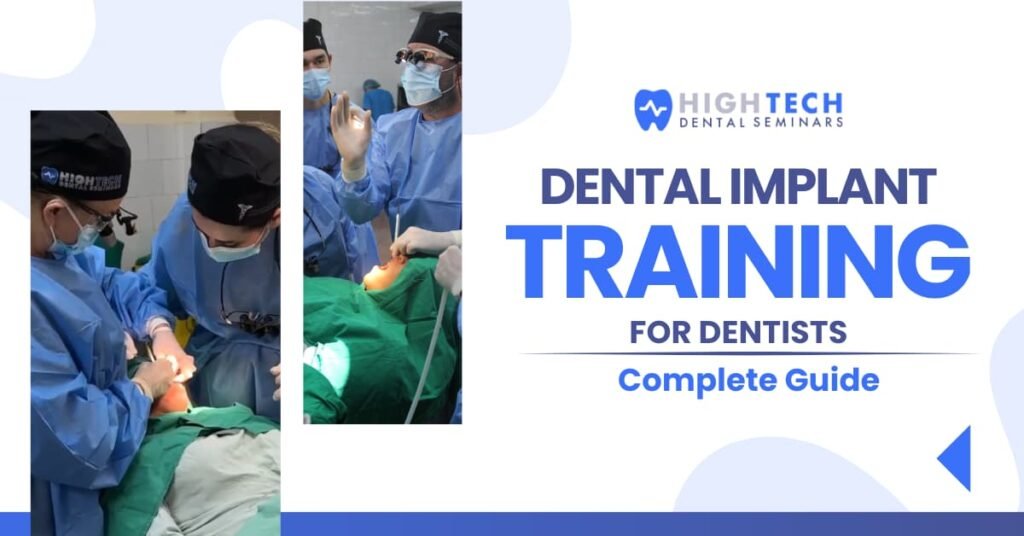
Dental implant training has become a foundational component of modern restorative dentistry. As implant treatment continues to replace traditional prosthetic solutions for edentulous sites, dentists increasingly recognize the need to develop surgical and prosthetic competency in implant dentistry.
Dental implant training provides the structured pathway that allows clinicians to move from theoretical understanding to predictable clinical execution.
While many dentists graduate with exposure to implant concepts, few receive the level of surgical experience necessary to confidently integrate implant placement into everyday practice. Continuing education programs focused on implant dentistry bridge this gap by providing structured learning environments where clinicians can refine diagnostic, surgical, and prosthetic workflows.
Comprehensive implant education combines several critical components:
- evidence-based surgical protocols
- prosthetic treatment planning
- complication management strategies
- hands-on surgical training
- mentorship from experienced implant clinicians
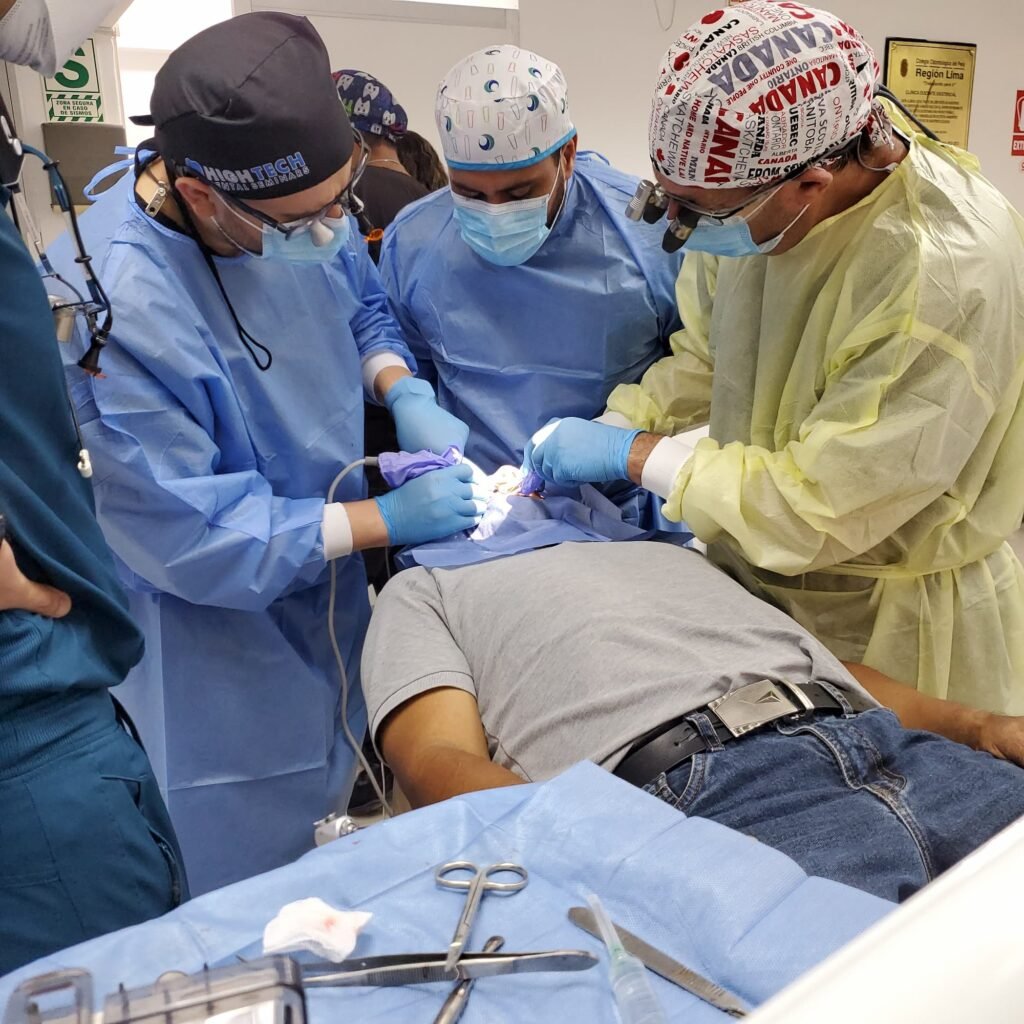
Programs that integrate live patient surgical experience provide an additional layer of clinical realism that cannot be replicated through lectures or simulation alone.
For many dentists, hands-on implant training represents the turning point where implant dentistry transitions from an abstract concept into a predictable clinical skillset.
What Is Dental Implant Training for Dentists?
Dental implant training refers to structured continuing education programs designed to teach dentists the clinical protocols required to diagnose, plan, place, and restore dental implants predictably.
These programs are typically offered through specialized dental education institutions, university-affiliated continuing education departments, or private clinical training organizations focused on implant dentistry.
Unlike introductory lectures that focus primarily on theory, comprehensive implant training programs are structured around the entire implant treatment workflow, including:
- Case selection and risk assessment
- CBCT-based treatment planning
- Surgical site evaluation
- Implant osteotomy preparation
- Implant placement protocols
- Soft tissue management
- Prosthetic restoration workflows
- Occlusal considerations
- Complication prevention and management
The goal of implant education is not simply to introduce dentists to implant concepts, but to develop clinical decision-making and procedural competence.
Most implant training programs provide continuing education (CE) credits, allowing dentists to fulfill licensure requirements while simultaneously expanding their clinical capabilities.
However, the depth of training can vary dramatically between programs. Some courses provide only theoretical lectures, while others offer immersive clinical environments where dentists participate in real surgical procedures.
For dentists seeking to integrate implant placement into clinical practice, training programs that emphasize hands-on surgical education often provide the most meaningful learning experience.
Why Dentists Pursue Implant Training
Dental implants have demonstrated exceptional long-term predictability across a wide range of clinical scenarios.
Multiple long-term studies report implant survival rates between 95% and 98% over ten years, making implant therapy one of the most reliable treatment modalities in modern dentistry.
As patient awareness of implant treatment continues to grow, dentists increasingly encounter clinical situations where implant therapy represents the optimal restorative solution.
However, successful implant treatment requires proficiency across multiple disciplines, including:
- Surgical anatomy
- Restorative dentistry
- Prosthodontics
- Occlusion
- Biomaterials
- Digital treatment planning
Because of this multidisciplinary nature, implant dentistry requires a structured learning pathway.
Dentists pursue implant training for several key reasons.
Expanding Treatment Capabilities
Implant education allows dentists to offer comprehensive solutions for patients presenting with missing teeth or edentulous sites.
Instead of referring to implant cases externally, clinicians who complete implant training can maintain control over treatment planning, surgical placement, and prosthetic restoration.
Increasing Surgical Confidence
Many dentists initially feel hesitant about implant placement due to limited surgical exposure during dental school.
Hands-on implant training allows clinicians to perform procedures in a supervised environment where they can develop surgical confidence through repetition and mentorship.
Improving Clinical Predictability
Predictable implant outcomes depend on proper treatment planning, surgical execution, and prosthetic design.
Structured implant education teaches dentists how to approach each case systematically, reducing the likelihood of complications.
Strengthening Practice Growth
Implant dentistry can significantly expand a practice’s treatment portfolio.
Clinicians who develop implant competencies often see increased demand for comprehensive restorative solutions.
Delivering Comprehensive Care
Many dentists pursue implant training because it allows them to provide complete restorative care rather than referring patients to multiple providers.
Integrating implant therapy into practice enables dentists to manage treatment from diagnosis to final restoration.
The Evolution of Implant Education
Dental implant education has evolved dramatically over the past two decades.
Early implant training programs were often limited to lecture-based seminars that introduced implant concepts but offered little opportunity for practical experience.
As implant dentistry became more widely adopted, the need for more advanced clinical education became apparent.
Modern implant training programs now incorporate several educational models
digital treatment planning workshops
- Surgical simulation training
- Cadaver surgical training
- Hands-on implant placement on models
- Live patient surgical training
Advancements in digital imaging, CBCT technology, and guided surgery have also reshaped how dentists learn implant treatment planning.
Today’s implant education programs emphasize evidence-based treatment protocols combined with clinical experience.
The most comprehensive programs integrate both surgical and restorative education, allowing dentists to understand how implant placement influences final prosthetic outcomes.
Types of Implant Training Programs
Not all implant training programs provide the same level of clinical exposure.
Dentists exploring implant education will typically encounter three primary types of courses.
Understanding these distinctions helps clinicians select programs that align with their learning objectives.
Lecture-Based Implant Courses
Lecture-based implant courses represent the most common introductory format.
These programs typically focus on theoretical aspects of implant dentistry, including:
- Implant biology and osseointegration
- Surgical treatment planning principles
- Prosthetic workflows
- Implant component systems
- Case presentations
Lecture courses are useful for dentists seeking foundational knowledge or updates on implant technology.
However, these programs often lack practical surgical training.
Without hands-on experience, dentists may struggle to translate theoretical knowledge into clinical application.
Simulation-Based Implant Training
Simulation-based courses provide dentists with opportunities to practice implant placement on models, typodonts, or synthetic bone blocks.
These programs help clinicians understand fundamental surgical concepts such as:
- Drilling sequences
- Implant angulation
- Depth control
- Instrumentation handling
Simulation training offers a valuable intermediate step between lectures and real clinical procedures.
However, synthetic models cannot fully replicate the complexity of real clinical conditions, including variations in bone density, anatomical limitations, and soft tissue management.
Hands-On Implant Courses with Live Patients
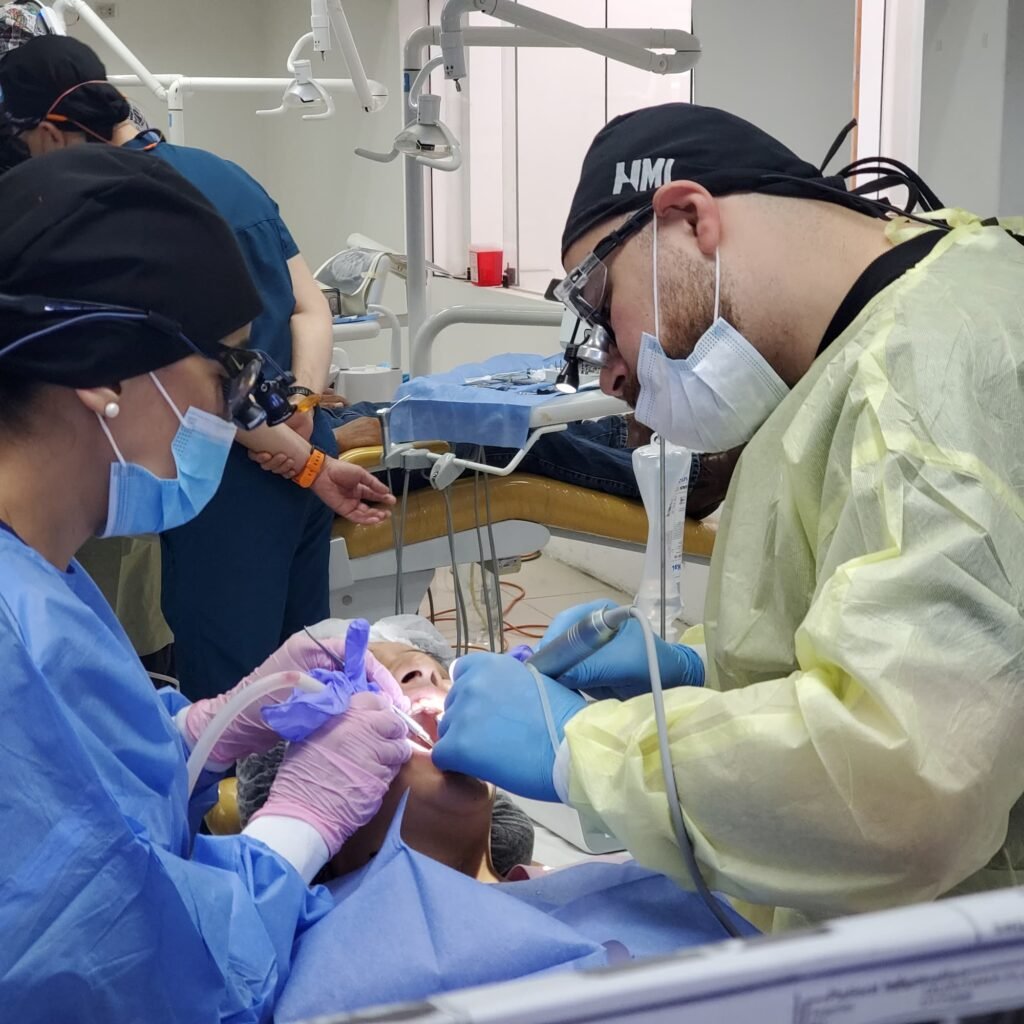
Hands-on implant courses that involve live patient treatment represent the most immersive form of implant education.
These programs allow dentists to participate directly in clinical procedures under instructor supervision.
Participants often gain experience in:
- Surgical site preparation
- Implant osteotomy creation
- Implant placement protocols
- Suturing techniques
- Immediate provisionalization in selected cases
Live patient training exposes dentists to the clinical variables that cannot be simulated in laboratory environments.
These experiences often accelerate skill development because dentists must respond to real surgical conditions.
Live Patient Implant Training vs Simulation Courses
Dental implant training programs may use different teaching formats to help dentists develop surgical and restorative skills. Two of the most common formats include simulation-based training and live patient implant training.
Both approaches provide valuable educational experiences, but they serve different roles in helping dentists develop clinical competence.
Simulation-based implant training typically involves practicing surgical procedures using models, surgical simulators, or cadaver specimens. These environments allow dentists to become familiar with implant surgical instruments, drilling protocols, and implant placement techniques in a controlled setting.
Simulation courses often focus on:
• implant osteotomy preparation and drilling sequences
• surgical instrumentation and workflow
• implant angulation and positioning techniques
• basic implant placement protocols
These training environments are particularly helpful for dentists who are learning the fundamental steps of implant surgery.
However, simulation models cannot fully replicate the clinical variables encountered during real implant procedures. In everyday practice, dentists must manage factors such as soft tissue behavior, anatomical variation, patient movement, and intraoperative decision-making.
For this reason, many advanced implant training programs incorporate live patient surgical experience.
Live patient implant training allows dentists to observe and participate in real surgical procedures under the supervision of experienced implant clinicians. This format exposes dentists to the clinical realities of implant treatment, including case planning, surgical execution, and post-operative evaluation.
Dentists participating in live patient training often gain experience in areas such as:
- Implant treatment planning and case selection
- Soft tissue management during surgery
- Implant placement in real anatomical conditions
- Intraoperative problem-solving
For many clinicians, this experience represents a critical step in transitioning from theoretical education to real clinical practice.
Comprehensive implant education programs often combine didactic instruction, simulation training, and live patient surgical experience, allowing dentists to develop both foundational knowledge and real-world clinical skills.
Why Hands-On Implant Training Matters
Implant dentistry is fundamentally procedural.
While theoretical knowledge provides the foundation for understanding treatment planning, surgical competency develops through guided clinical experience.
Hands-on implant training bridges the gap between knowledge and execution.
In a structured clinical training environment, dentists gain exposure to the procedural sequence required for successful implant placement.
Participants learn to evaluate critical surgical considerations such as:
- bone density and quality
- anatomical landmarks
- implant positioning relative to prosthetic design
- soft tissue architecture
Hands-on training also allows dentists to practice surgical protocols repeatedly under expert supervision.
This mentorship environment allows instructors to correct subtle technical errors before they become habitual.
Common surgical challenges addressed during hands-on training include:
- Improper osteotomy angulation
- Inadequate primary stability
- Implant positioning errors
- Soft tissue handling difficulties
Because implant dentistry requires both surgical precision and prosthetic foresight, experiential learning environments are often the most effective way to develop clinical competence.
Implant Surgical Protocols Dentists Learn
Comprehensive implant training programs emphasize standardized surgical protocols designed to improve treatment predictability.
These protocols guide dentists through the entire surgical sequence, beginning with diagnosis and ending with implant placement.
Common surgical protocols taught in implant training include:
Implant Site Evaluation
Dentists learn to evaluate edentulous sites using clinical examination and CBCT imaging.
Important considerations include bone volume, bone density, anatomical structures, and prosthetic requirements.
CBCT Interpretation
Three-dimensional imaging plays a critical role in implant treatment planning.
Training programs teach dentists how to evaluate bone morphology, identify anatomical landmarks, and assess surgical risk.
Treatment Planning
Implant treatment planning integrates surgical considerations with prosthetic objectives.
Dentists learn how implant positioning influences restorative outcomes.
Surgical Guide Placement
Guided implant surgery has become increasingly common in implant dentistry.
Training programs introduce clinicians to digital workflows used for designing and utilizing surgical guides.
Osteotomy Preparation
Proper osteotomy preparation ensures correct implant positioning and primary stability.
Dentists learn sequential drilling protocols based on implant system guidelines and bone density.
Implant Insertion
Implant insertion techniques focus on achieving primary stability while avoiding excessive torque that may compromise bone integrity.
Soft Tissue Management
Managing soft tissue architecture is critical for long-term implant success.
Training programs address flap design, tissue preservation techniques, and suturing methods.
Implant Prosthetic Planning
Successful implant dentistry begins with prosthetic planning.
Implants must be positioned in locations that support predictable restorative outcomes.
For this reason, many implant education programs emphasize a prosthetically driven treatment planning philosophy.
Key prosthetic topics covered in implant training programs include:
Abutment Selection
Dentists learn how to select abutments based on restorative requirements, implant angulation, and soft tissue considerations.
Emergence Profile Design
Proper emergence profile design ensures natural aesthetics and healthy peri-implant soft tissue contours.
Screw-Retained vs Cement-Retained Restorations
Implant prosthetics courses explore the advantages and limitations of different restoration types.
Clinicians learn when screw-retained restorations provide better retrievability compared to cement-retained restorations.
Occlusion Considerations
Implant restorations require careful occlusal planning to avoid excessive forces that may lead to mechanical complications.
Digital Implant Workflows
Many modern implant programs introduce digital planning tools, including CBCT integration and CAD/CAM prosthetic design.
Understanding these workflows allows dentists to integrate digital dentistry into implant treatment planning.
Managing Implant Complications
Even with careful treatment planning, implant complications can occur.
Advanced implant training programs prepare dentists to recognize and manage these complications effectively.
Common complications addressed during implant education include:
- Implant screw loosening
- Prosthetic misfit
- Implant overload
- Peri-implantitis
- Bone loss around implants
Understanding the underlying causes of these complications allows dentists to prevent them through proper surgical and prosthetic protocols.
Training programs also emphasize the importance of long-term implant maintenance and follow-up care.
How Much Does Dental Implant Training Cost?
The cost of dental implant training programs can vary depending on the depth of the curriculum, the duration of the course, and whether the program includes hands-on surgical training and live patient experience.
Introductory implant courses that focus primarily on lecture-based education may cost less, while comprehensive programs that include clinical instruction, surgical mentorship, and live patient procedures typically represent a larger investment.
Several factors influence the cost of implant training, including:
- Course duration and number of training modules
- Hands-on surgical training opportunities
- Live patient clinical experience
- Faculty expertise and mentorship availability
- Implant systems, surgical materials, and equipment used during training
For many dentists, implant education is one of the most valuable continuing education investments they can make. Developing implant surgical and prosthetic skills allows clinicians to expand the scope of treatment offered in their practice while providing patients with predictable tooth replacement solutions.
When evaluating implant education programs, dentists should consider not only the course fee but also the long-term clinical value of the training. Programs that provide structured learning pathways, hands-on surgical experience, and mentorship support often deliver greater long-term benefits than lecture-only courses.
High Tech Dental Seminars (HTDS) offers implant training programs designed to provide dentists with comprehensive surgical and prosthetic education through hands-on learning and live patient training.
To make advanced implant education more accessible, HTDS offers flexible payment options for course enrollment. Dentists may either:
- Reserve their seat with a $1,000 deposit, with the remaining balance paid before the course begins
- Pay the full course amount at the time of registration
These options allow dentists to secure their place in upcoming training programs while managing their continuing education investment more comfortably.
For many clinicians, structured implant education provides a clear pathway to developing the skills and confidence required to integrate implant dentistry into everyday practice.
Explore Upcoming Implant Training Programs
Dentists interested in expanding their implant skills can explore upcoming hands-on implant training programs offered by High Tech Dental Seminars, designed to provide practical clinical experience, mentorship, and structured surgical education.
What Makes High Tech Dental Seminars Different from Other Implant Training Programs?
Dentists exploring implant education often encounter a wide range of courses, ranging from short lecture-based seminars to multi-week clinical training programs.
While many courses introduce implant concepts, fewer provide the immersive clinical environment required to develop real surgical competency.
High Tech Dental Seminars was developed to address this educational gap by providing dentists with a comprehensive, hands-on approach to implant education.
Learn Implant Dentistry Through Hands-On Clinical Training
Many implant courses rely heavily on lecture-based instruction
Although theoretical knowledge is essential, developing surgical confidence requires practical experience.
HTDS courses emphasize hands-on clinical participation, allowing dentists to engage directly in implant procedures rather than observing demonstrations.
Participants gain exposure to key clinical steps such as:
- Implant treatment planning
- Osteotomy preparation
- Implant placement protocols
- prosthetic restoration workflows
This experiential learning model allows dentists to translate theoretical knowledge into practical surgical skills.
Comprehensive Surgical and Prosthetic Education
Successful implant dentistry requires coordination between surgical technique and prosthetic design.
HTDS training programs integrate both disciplines, allowing dentists to understand how implant placement influences restorative outcomes.
Course curriculum may include:
- CBCT-based treatment planning
- Implant surgical protocols
- Abutment selection
- Emergence profile design
- Occlusion considerations
This integrated approach allows dentists to develop a complete implant workflow from diagnosis through restoration.
Structured Mentorship and Instructor Guidance
Clinical mentorship plays a critical role in advanced implant education.
During HTDS programs, dentists work alongside experienced instructors who provide guidance throughout the surgical and restorative process.
Participants benefit from:
- Real-time surgical feedback
- Treatment planning discussions
- Complication management strategies
- Mentorship from experienced implant clinicians
This structured guidance helps dentists refine their techniques and build confidence in implant placement.
A Global Community of Dentists Advancing Their Implant Skills
High Tech Dental Seminars attracts dentists from across North America and internationally.
This diverse learning environment allows participants to exchange clinical insights and learn from colleagues practicing in different healthcare systems.
Many dentists find that the professional relationships developed during training programs continue long after the course concludes.
These connections contribute to an ongoing community of clinicians dedicated to advancing implant dentistry.
Frequently Asked Questions About Implant Training for Dentists
How can dentists learn dental implant placement?
Dentists typically learn implant placement through structured continuing education programs that combine didactic instruction with clinical experience. Many programs include surgical lectures, treatment planning workshops, and hands-on implant training. Courses that allow supervised implant placement on live patients provide valuable real-world experience.
What is a hands-on implant course?
A hands-on implant course is a training program where dentists actively perform implant procedures rather than attending lectures alone. These courses often include implant placement exercises, surgical demonstrations, and prosthetic restoration training.
Do dentists need special certification to place implants?
In many regions, general dentists are permitted to place dental implants after completing appropriate training and continuing education. However, dentists are responsible for obtaining sufficient education and clinical experience before performing implant procedures. Many dentists pursue implant CE courses to develop surgical and prosthetic competencies.
How long does implant training take?
Implant training programs vary in length depending on the level of training. Introductory courses may last a few days, while comprehensive implant programs can span several weeks or multiple sessions. Many dentists begin with foundational implant courses and later pursue advanced training in procedures such as full-arch implant rehabilitation.
Is live patient implant training safe?
Live patient implant training programs are conducted under strict clinical supervision by experienced instructors. Patients are carefully screened, and treatment plans are reviewed before surgery. This structured environment allows dentists to gain surgical experience while maintaining patient safety.
What do dentists learn in implant training courses?
Implant training courses typically cover both surgical and restorative aspects of implant dentistry, including:
- Implant treatment planning
- CBCT interpretation
- Osteotomy preparation
- Implant placement protocols
- Prosthetic restoration
- Complication management
This comprehensive approach helps dentists develop predictable implant workflows.
Are dental implant courses eligible for CE credits?
Many implant training programs provide continuing education (CE) credits that help dentists meet licensure requirements while expanding clinical skills. CE credits may be awarded for lectures, workshops, and clinical training sessions depending on the program structure.
What should dentists look for in an implant training program?
Dentists often evaluate implant training programs based on several factors, including:
- Hands-on surgical experience
- Live patient training opportunities
- Instructor expertise
- Prosthetic education
- Ongoing mentorship
Programs that combine surgical and restorative education tend to provide the most comprehensive implant training experience.
Where can dentists take hands-on implant training?
Hands-on implant training programs are offered by specialized dental education institutions that provide clinical mentorship and live surgical experience. High Tech Dental Seminars offers immersive implant training courses where dentists can learn implant placement, prosthetic workflows, and treatment planning in a supervised clinical environment.
Dentists interested in expanding their implant education can explore upcoming courses through HTDS training programs.
Explore Hands-On Implant Training Opportunities
Dentists interested in expanding their implant education can explore upcoming training programs offered through High Tech Dental Seminars.
These programs are designed to provide a structured pathway for developing both surgical and prosthetic implant skills through immersive clinical education.
Conclusion
Dental implant training allows dentists to develop the clinical knowledge and surgical skills required for predictable implant treatment.
Programs that combine hands-on training, live patient experience, and prosthetic education provide dentists with the practical experience needed to successfully integrate implant dentistry into clinical practice.
For many dentists, structured implant education represents the next step in expanding treatment capabilities and delivering comprehensive patient care.